Address
304 North Cardinal St.
Dorchester Center, MA 02124
Work Hours
Monday to Friday: 7AM - 7PM
Weekend: 10AM - 5PM

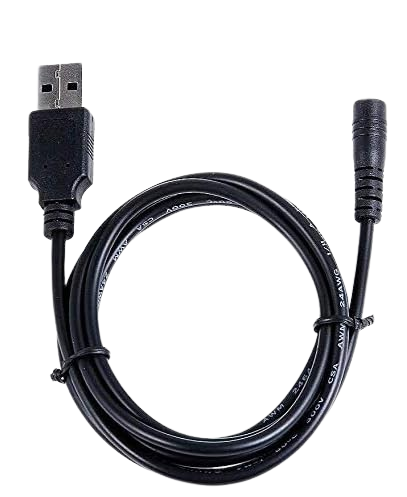
Use this cable with a USB AC or car charger (not included) to create a standard AC or car charging setup.
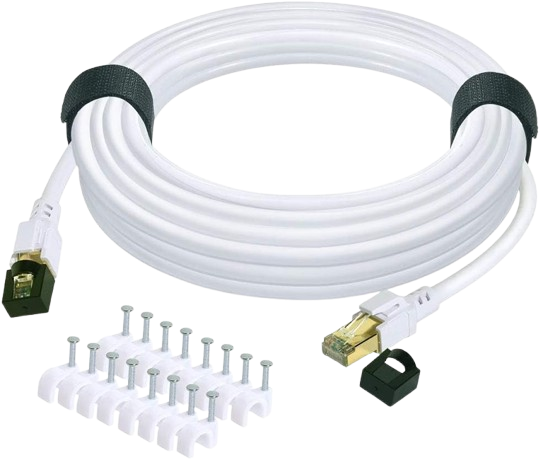
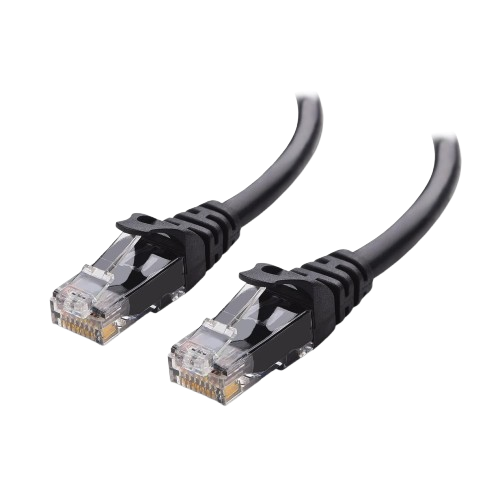
Each shielded RJ45 connector features 50-micron gold-plated contact pins, making it ideal for high-noise environments.
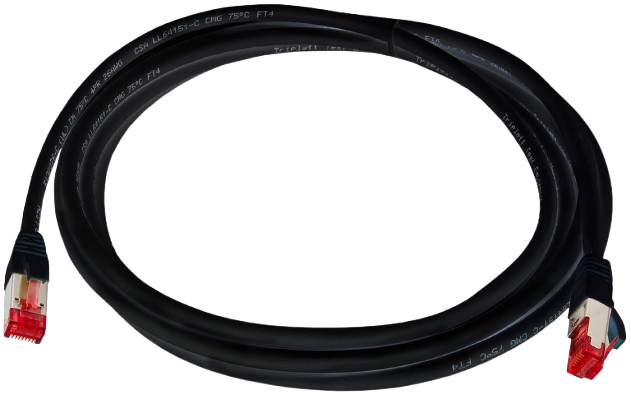
Low-smoke, zero-halogen (LSOH/LSZH) design, ideal for data centers and enterprise environments.
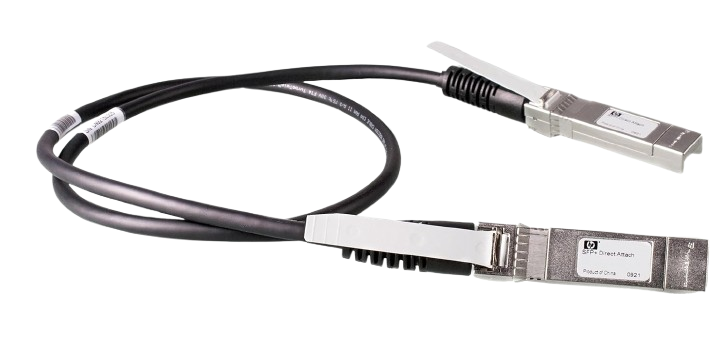
Data transfer rate of 10,000 Mbit/s with SFP+ to SFP+ connectors and a durable polyvinyl chloride (PVC) jacket.
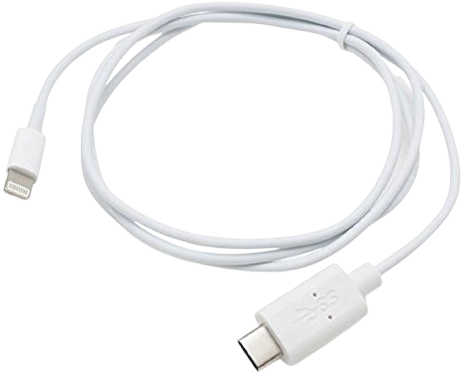
Product type: cable or adapter. Includes one unit per package. Manufactured in China. Net weight: 0.250 lbs.
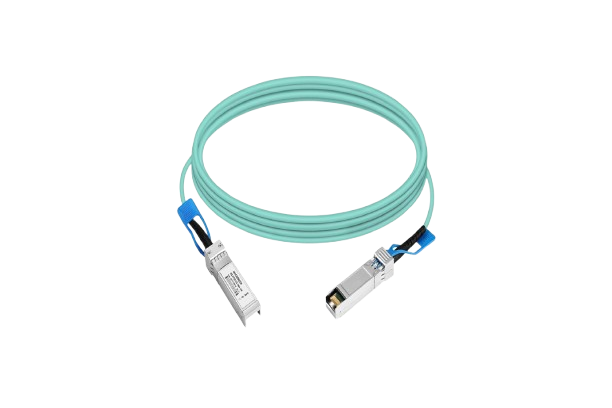
Uses VCSEL technology over 850 nm multimode fiber, with ultra-thin, lightweight optical cabling ideal for HD applications.
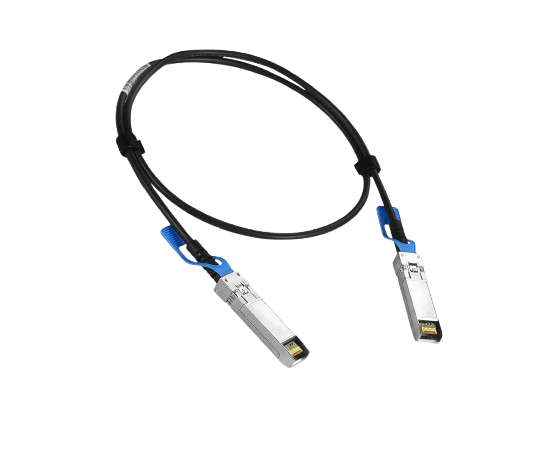
SFP28 25G to SFP28 25G copper direct-attach breakout cables are designed for very short connections.
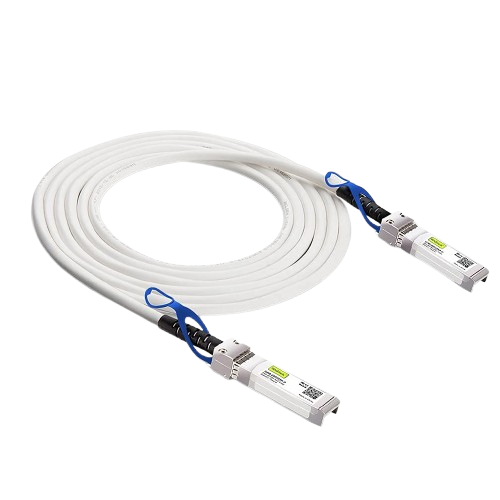
In 10Gtek’s Signal Integrity Lab, all DAC cables undergo TDR and VNA testing and are individually verified on switches before delivery.
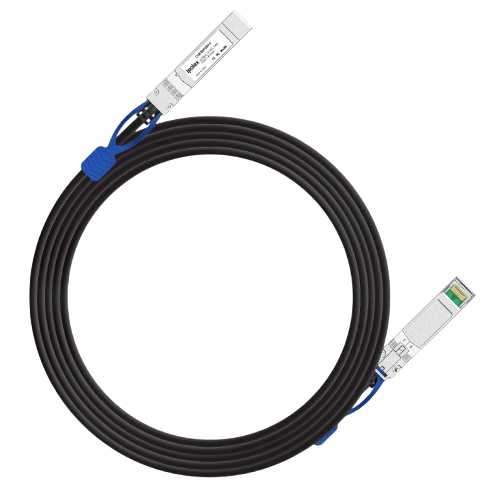
Compatible with a wide range of brands including Cisco, Meraki, Ubiquiti, MikroTik, Arista, Netgear.
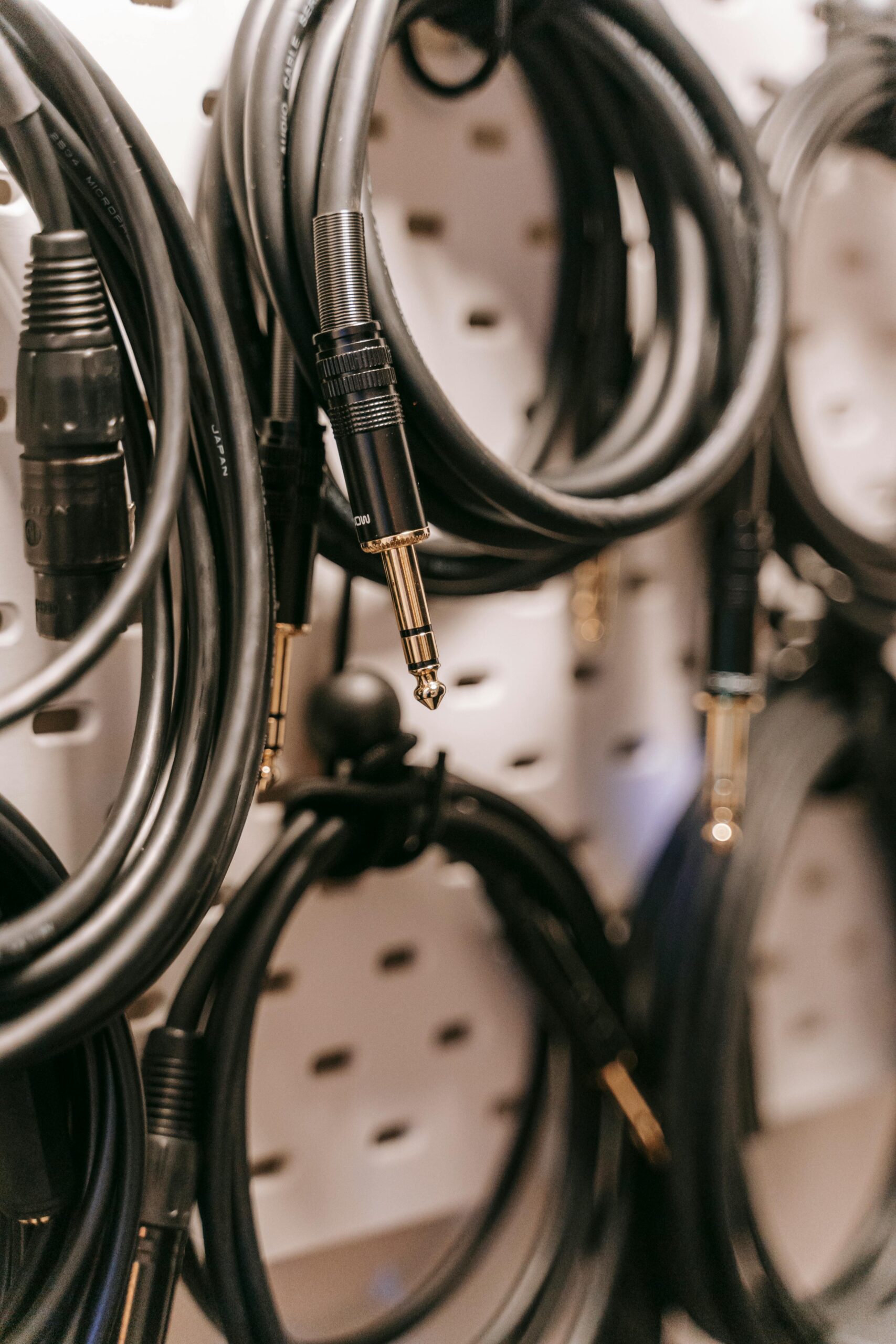
OMG Cables basically started because bad cables are everywhere—and somehow nobody talks about it. Tangled, flimsy, half-charged, dead-in-six-months cables that come bundled with everything and work great for about three weeks. We got tired of it, so we made something better.
We’re a cable company, yes. But really, we’re a small team that got obsessed with a problem everyone ignores because it feels too boring to complain about.
The truth is, your cable is the last thing standing between your device and a full battery at 11pm. It should just work. Every time. Without you thinking about it… or praying to the charging gods that it stays at just the right angle.
Every OMG cable is built to handle the way people actually use them—wrapped around bags, jammed into pockets, yanked out one-handed in the dark. The materials are tougher, the connectors are reinforced, and the charging speeds are real. Not marketing-real.
We don’t have a flashy flagship product or some curated hero story. Just cables that don’t let you down.
The latest drops, gear updates, and cable news — delivered straight to the inbox.
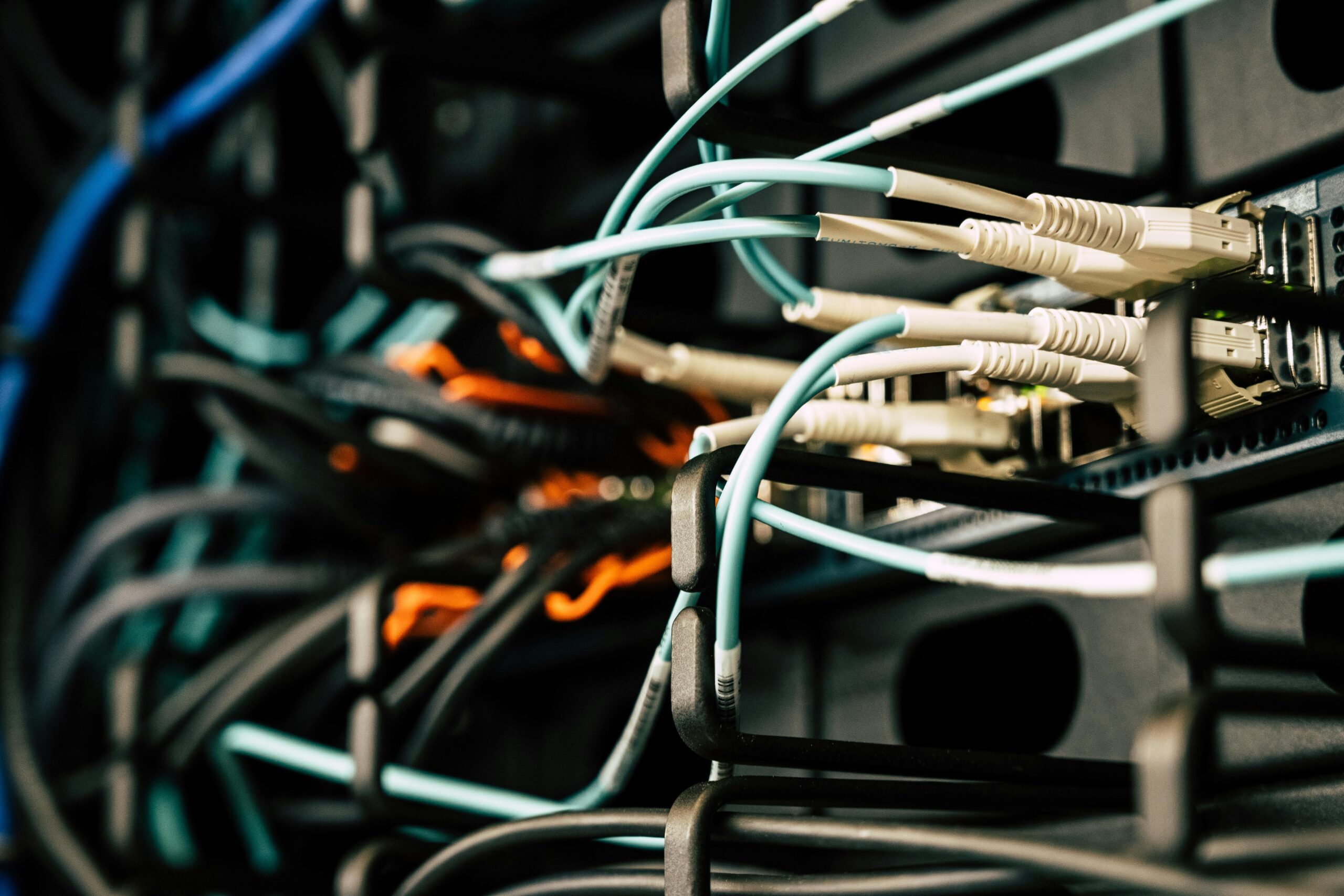
The O.MG Cable puts professional-grade penetration testing hardware in your hands — at a fraction of what government agencies used to pay for the same capability.
Marcus T.
Braided USB-C to USB-C 240W Cable
“I’ve gone through so many cables that fray at the connector within a month. This one’s been in my bag every day for six months — still looks new. The woven sleeve actually holds up.”
Dev M.
240W USB-C Charging Cable
“Skeptical at first about a $20 cable, but my laptop charges noticeably faster and the build feels genuinely solid — not that flimsy plastic you get with the stuff that comes in the box.”
Chloe R.
Magnetic Charging Cable Set
“I swap between devices constantly throughout the day. The magnetic tips just click in and I’m done. It sounds like a gimmick until you use it for a week and can’t go back.”
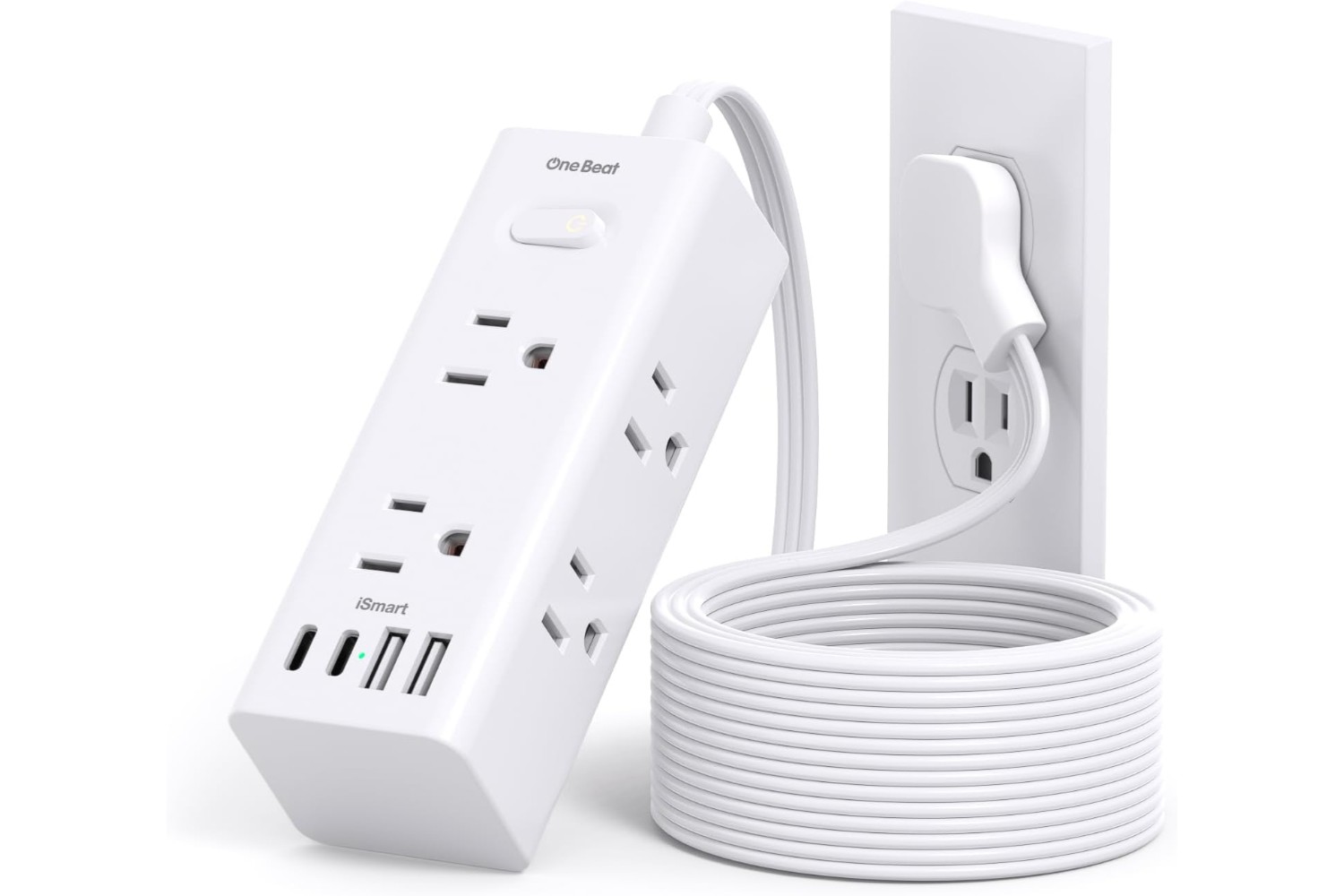
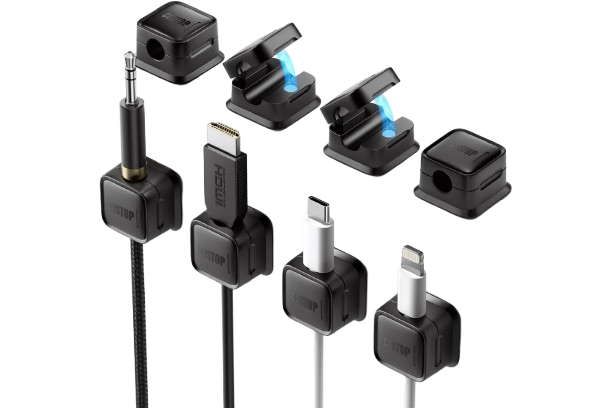
OMG Cables brings together a wide range of professional cables in one place, from everyday USB charging and data cables to high-speed networking gear. Whether you are wiring a home office, a server rack, or a full network, you will find the right cable for the job.
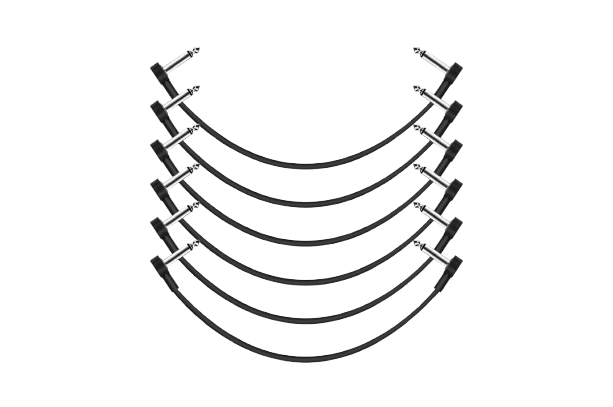
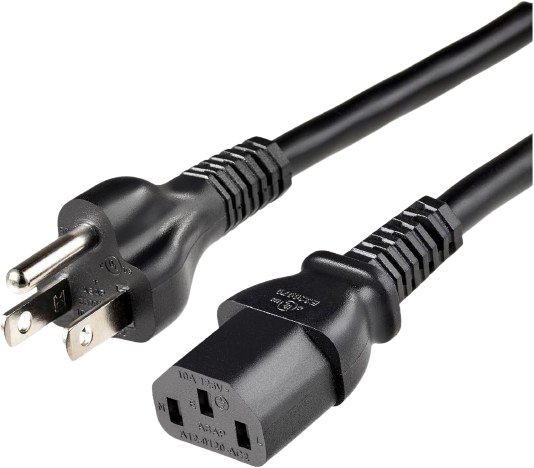
The lineup includes shielded Ethernet and patch cables, high-speed DAC and SFP networking cables, USB-C and Lightning charging cables, plus adapters, extension cords, and cable-management accessories. Everything is chosen for reliable performance and solid build quality.
Below we explain what an O.MG cable is and how to protect yourself from malicious cables, then break down the networking and charging cables we carry so you can choose with confidence.
Every OMG cable is built to handle the way people actually use them—wrapped around bags, jammed into pockets, yanked out one-handed in the dark. The materials are tougher, the connectors are reinforced, and the charging speeds are real. Not marketing-real.
We don’t have a flashy flagship product or some curated hero story. Just cables that don’t let you down.
An O.MG cable is a security-research tool that looks exactly like an ordinary USB charging or data cable but contains a tiny embedded implant. It was created for penetration testers and red teams to demonstrate, during authorized security assessments, how a seemingly harmless cable could be misused.
Security professionals use O.MG and similar cables for controlled testing and for security-awareness training, showing organizations why plugging in unknown cables and devices is risky. Because they are hard to tell apart from normal cables by eye, they are a powerful teaching and testing tool.
These cables should only ever be used legally and ethically, on systems you own or are explicitly authorized to test. For most people, their real value is awareness: understanding that a cable can be more than it appears is the first step to protecting yourself.
Every OMG cable is built to handle the way people actually use them—wrapped around bags, jammed into pockets, yanked out one-handed in the dark. The materials are tougher, the connectors are reinforced, and the charging speeds are real. Not marketing-real.
We don’t have a flashy flagship product or some curated hero story. Just cables that don’t let you down.
The simplest protection is to never plug an unknown or found cable or charger into your devices, and to avoid untrusted public USB charging ports. Use only cables you bought yourself from a trusted source, and keep spares so you are not tempted to borrow one.
For charging on the go, use a USB data blocker, sometimes called a USB condom, which lets power through but physically blocks the data lines. This means you can charge from ports you do not fully trust without opening a data connection.
Security teams also use cable detectors and USB analyzers to check whether a cable carries hidden electronics. For most people, the best defense is simple habits: buy your own cables, keep them with you, and treat unknown hardware with caution.
Every OMG cable is built to handle the way people actually use them—wrapped around bags, jammed into pockets, yanked out one-handed in the dark. The materials are tougher, the connectors are reinforced, and the charging speeds are real. Not marketing-real.
We don’t have a flashy flagship product or some curated hero story. Just cables that don’t let you down.
For wired networking, we carry shielded Ethernet and patch cables built for speed and reliability, including high-grade options for 10-gigabit connections. A quality patch cable keeps data flowing cleanly between your router, switch, and devices.
For data centers and high-speed links, DAC (direct attach copper) and AOC (active optical) cables, along with SFP+ and SFP28 twinax cables, provide fast, low-latency connections between switches and servers. Many are built to be compatible with popular brands like Mellanox and Cisco.
Choosing the right cable comes down to speed, distance, and connector type. Shorter runs work well with DAC and twinax, while longer distances suit AOC or fiber. Matching the cable to your equipment ensures the best performance.
Every OMG cable is built to handle the way people actually use them—wrapped around bags, jammed into pockets, yanked out one-handed in the dark. The materials are tougher, the connectors are reinforced, and the charging speeds are real. Not marketing-real.
We don’t have a flashy flagship product or some curated hero story. Just cables that don’t let you down.
Not all charging cables are equal. A good USB-C or Lightning cable should support the charging speed your device needs and, where relevant, fast data transfer. Look for durable connectors and braided or reinforced jackets for everyday reliability.
If you only need to charge, a charge-only cable or a data blocker adds safety by preventing data transfer. For syncing and transfers, choose a certified data cable rated for the speed you need, such as USB 3.1 for fast file copying.
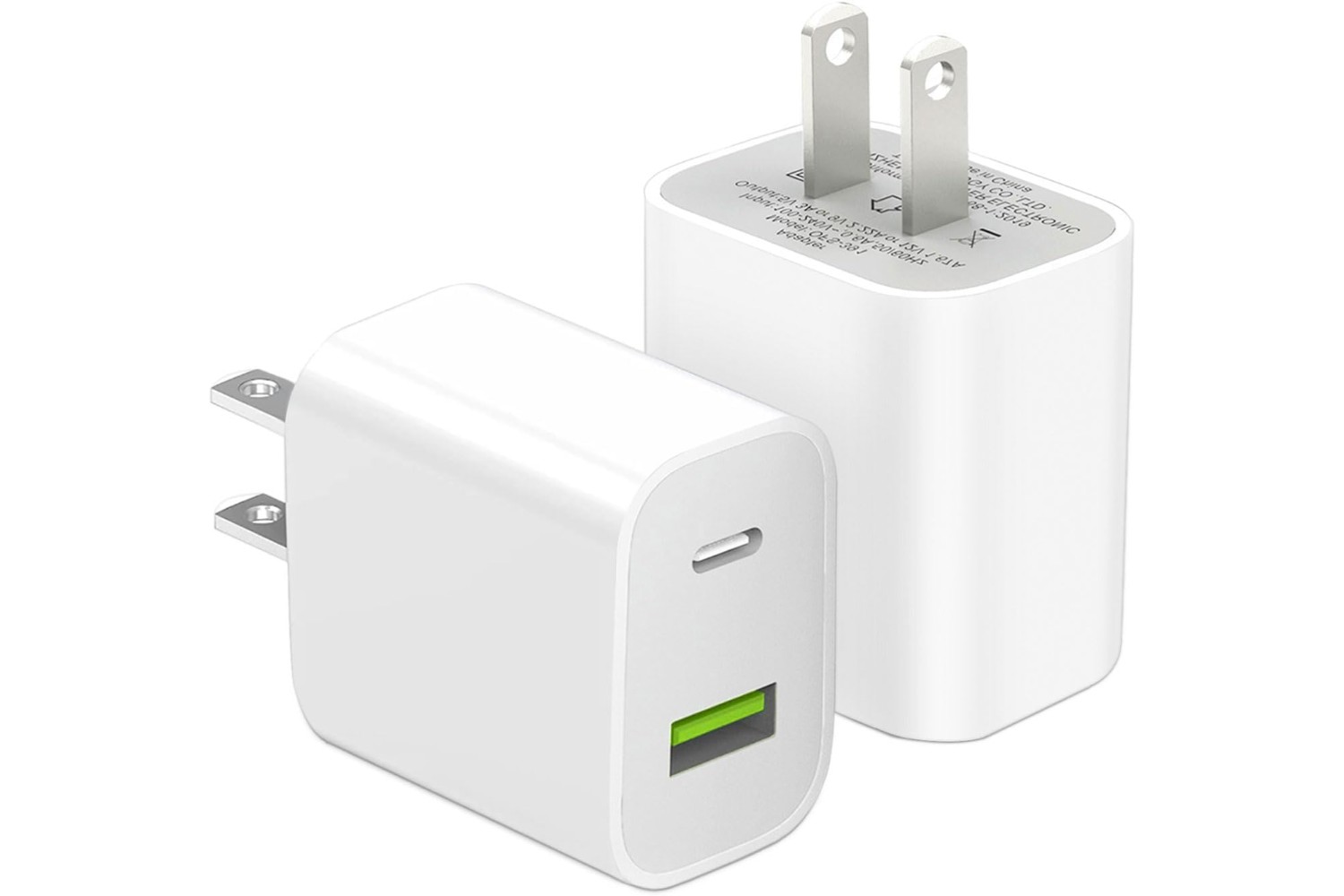
We also carry plug adapters, extension cords, and cable clips to complete your setup. Matching the right cable and accessories keeps your devices charged, connected, and organized.
Every OMG cable is built to handle the way people actually use them—wrapped around bags, jammed into pockets, yanked out one-handed in the dark. The materials are tougher, the connectors are reinforced, and the charging speeds are real. Not marketing-real.
We don’t have a flashy flagship product or some curated hero story. Just cables that don’t let you down.
Standard shipping usually takes 5–7 business days, while expedited options are available at checkout for faster delivery. Orders are processed within 1–2 business days after purchase. Tracking information is sent via email once the order ships.
Most products are designed to work with a wide range of devices, including smartphones, tablets, laptops, and desktop computers running iOS, Android, Windows, and macOS. Compatibility details for each specific item are listed on the product page, so it’s worth checking before ordering.
To maintain performance over time, products should be stored away from extreme heat, moisture, and direct sunlight. Avoiding sharp bends, excessive tension, or wrapping cords too tightly will help prevent wear. Gentle handling during regular use goes a long way toward keeping things in good shape.
An O.MG cable looks like a normal USB charging or data cable but contains a small hidden implant. It is a security-research tool built for penetration testers and red teams to demonstrate, during authorized testing, how an ordinary-looking cable could be misused.
Penetration testers, red teams, and security educators use them for authorized assessments and awareness training. They help organizations understand why plugging in unknown cables and chargers is a real security risk.
Do not plug in unknown or found cables and chargers, avoid untrusted public USB ports, use a USB data blocker when charging in public, and keep your own cables with you. Buy hardware only from reputable sellers.
A DAC, or direct attach copper cable, is a fixed-length networking cable with transceivers built into each end. It provides a fast, low-cost, low-latency link between switches and servers over short distances, common in data centers.
Cat5e handles gigabit speeds and is fine for most homes, while Cat6 and higher support 10-gigabit over shorter runs with better shielding against interference. For future-proofing and high-speed networks, choose Cat6 or above.
Yes. We carry USB-C to Lightning and other charging and data cables, along with adapters and accessories, so you can charge and sync your devices with the right connector and speed.
Returns are accepted within 30 days of delivery for items that are defective or not as described. The product should be in its original packaging with all included accessories. Once the return is received and inspected, a replacement or refund is issued promptly.
Yes, products are tested to meet relevant industry standards, including certifications such as CE, FCC, and RoHS where applicable. These certifications confirm that items have passed safety and performance requirements before reaching customers.
Customer support can be contacted through the form on the website. A response is typically provided within 1–2 business days. It helps to have the order number and a brief description of the issue ready when reaching out.
O.MG cables are sold openly as security and research tools, and owning one is generally legal. Using one is only lawful and ethical on devices you own or have explicit permission to test. Never use one against systems you are not authorized to assess.
It is very hard to tell by eye, which is the point of these tools. Security teams use USB analyzers and cable detectors to check for hidden electronics. The safest habit is to only use cables you bought yourself from a trusted source.
A USB data blocker, sometimes called a USB condom, is a small adapter that allows power to pass through but physically blocks the data pins. It lets you charge safely from ports you do not fully trust without risking a data connection.
SFP+ supports links up to 10 gigabits per second, while SFP28 supports up to 25 gigabits per second using the same form factor. SFP28 is used for higher-speed connections while remaining backward compatible in many setups.
A patch (straight-through) cable connects different device types, such as a computer to a switch, and is what most people use today. A crossover cable connects two similar devices directly; modern gear with auto-sensing ports rarely needs one.
Many of our DAC, AOC, and SFP cables are built to be compatible with popular platforms such as Mellanox and Cisco. Check each product’s listing for the specific compatibility and coding it supports.